
Evil Eye and Feng Shui: Can They Work Together for Protection?

Jul
In today’s world of spiritual wellness, the Evil Eye and Feng Shui are two of the most talked-about traditions for energy protection. While they come from vastly different cultural backgrounds—one rooted in the Mediterranean and Middle East, the other in ancient Chinese metaphysics—both serve a shared purpose: shielding individuals from harm and restoring balance. But can they actually work together, or do their energies clash?
Let’s explore how these two systems differ, how they align, and how to use them in harmony for optimal energetic defense.
What Is the Evil Eye?
The Evil Eye is a belief that a malicious gaze—whether intentional or unconscious—can transmit negative energy, causing harm, misfortune, or illness. This concept has existed for centuries across cultures such as Greek, Turkish, and Arab traditions.
To ward off the effects of the Evil Eye, people often wear protective talismans. The most iconic is the Nazar, a blue eye-shaped charm believed to reflect the negative gaze back to its source. Commonly worn as bracelets, necklaces, or home decor, these symbols act as energetic shields.
Feng Shui’s Approach to Protection
Feng Shui, on the other hand, is the ancient Chinese practice of aligning environments and personal energy to promote harmony, prosperity, and well-being. While it doesn’t refer to “evil eyes” per se, Feng Shui recognizes the existence of Sha Qi, or negative, harmful energy, which can disrupt health and fortune.
To counteract Sha Qi, practitioners use protective symbols such as:
- Black Obsidian: For absorbing negativity and grounding energy
- Pi Xiu (貔貅): A celestial creature that guards wealth and wards off harm
- Bagua Mirrors: Placed at entrances to reflect back Sha Qi
- Five Emperor Coins: Represent historical stability and protective wealth energy
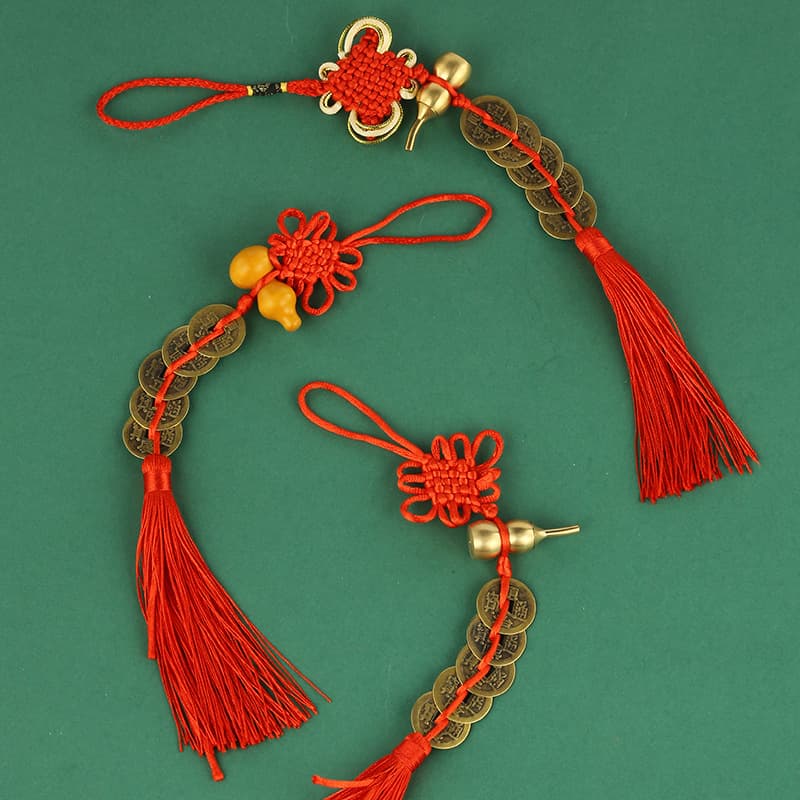
These items are chosen based on a person’s elemental constitution or space arrangement.
Evil Eye and Feng Shui: Can They Be Combined?
Despite their different origins, the Evil Eye and Feng Shui share a central goal: protecting you from harmful, invisible forces. And yes, they can be used together—if done thoughtfully.
The key is to ensure energy alignment, not just aesthetic pairing. For instance:
- Pair a blue Evil Eye bracelet with a Black Obsidian Feng Shui bracelet to combine Western warding with Eastern grounding.
- Add an Evil Eye charm to your Feng Shui decor, as long as it does not face directly into mirrors or clutter, which may disrupt qi.
- Avoid mixing too many protective items from various systems, as this may result in energy conflict or overload.
In essence, combining both traditions works best when each item supports a specific intention and matches your elemental energy.
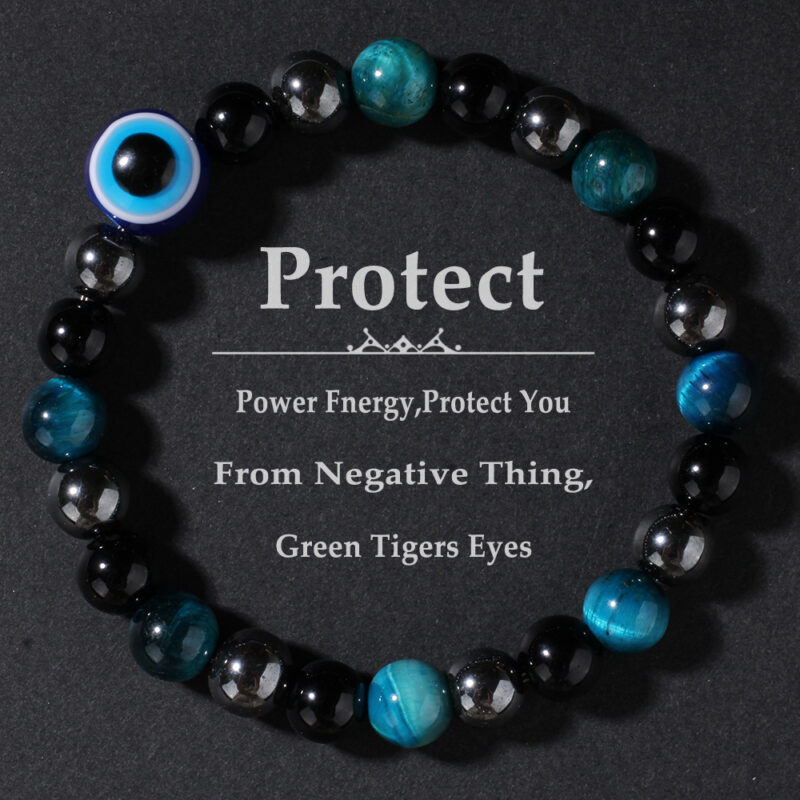
Tips for Wearing Evil Eye with Feng Shui Jewelry
If you’re drawn to both traditions and want to combine them effectively, consider the following guidelines:
- Stick to One Dominant Element: If your BaZi chart lacks Water, use Evil Eye jewelry with blue tones alongside Water-related stones like Aquamarine or Black Obsidian.
- Keep It Balanced: Limit your wrist to a maximum of two bracelets per hand—e.g., one Feng Shui bracelet and one Evil Eye bracelet.
- Purify Before Wearing: Before combining them, cleanse each item energetically using moonlight, sage, or salt water (if safe for the material).
- Unify Through Intention: Whether the item is from Eastern or Western tradition, what matters most is your clarity of intent.
- When in Doubt, Ask an Expert: Personalized advice ensures harmony, especially when mixing traditions. You can consult our Feng Shui specialists for tailored guidance.
Conclusion
Though rooted in different philosophies, Evil Eye and Feng Shui both address the need to protect, harmonize, and elevate your energy. When used wisely and with intention, they don’t compete—they complement.
In a world full of unseen forces, your energetic protection should be personal, purposeful, and powerful. If you’re unsure how to combine these symbols effectively, we’re here to help. Our experts can offer guidance tailored to your unique energy makeup and goals.
