
Children’s Room Feng Shui: Supporting Growth and Joy Through Energy Harmony
Jul
Children’s Room Feng Shui isn’t just about making a child’s space look cheerful—it’s about creating an environment that supports healthy growth, balanced emotions, and restful sleep. In Feng Shui, every room holds energy (qi), and for children, this energy can directly influence their development, focus, and sense of security.
By applying simple Feng Shui principles, you can transform your child’s room into a space that nurtures both body and spirit.
Why Feng Shui Matters in a Child’s Room
Children are especially sensitive to their surroundings. Their qi is still developing, which makes them more affected by environmental imbalances. A well-designed room using Children’s room Feng Shui principles can:
- Encourage better sleep
- Improve learning and concentration
- Reduce emotional stress
- Foster a sense of safety and stability
In other words, when the energy flows smoothly, children thrive.
Ideal Room Placement and Layout
Choose the Right Room
If possible, avoid placing a child’s room in the basement or directly above a garage. These locations lack stable energy. Instead, choose a room that receives natural light and is located away from noisy or high-traffic areas.
Bed Positioning
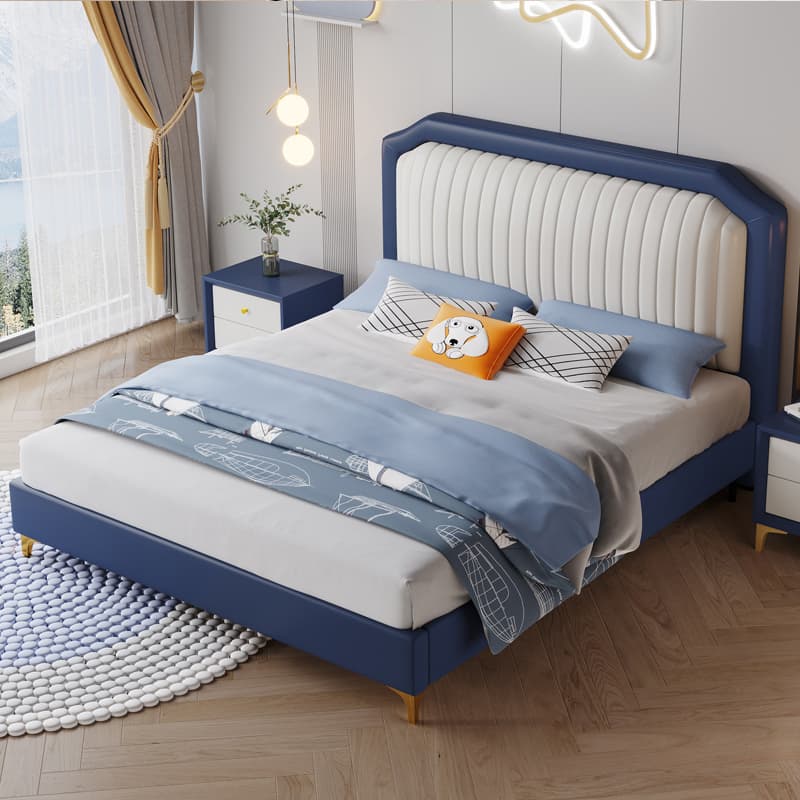
The bed should be placed with a solid wall behind the headboard. This gives your child “backing” or support, both symbolically and energetically. Avoid placing the bed under a beam or directly in line with the door, as this can disturb restful sleep.
Color and Decoration Tips
In Children’s room Feng Shui, color impacts mood and energy balance.
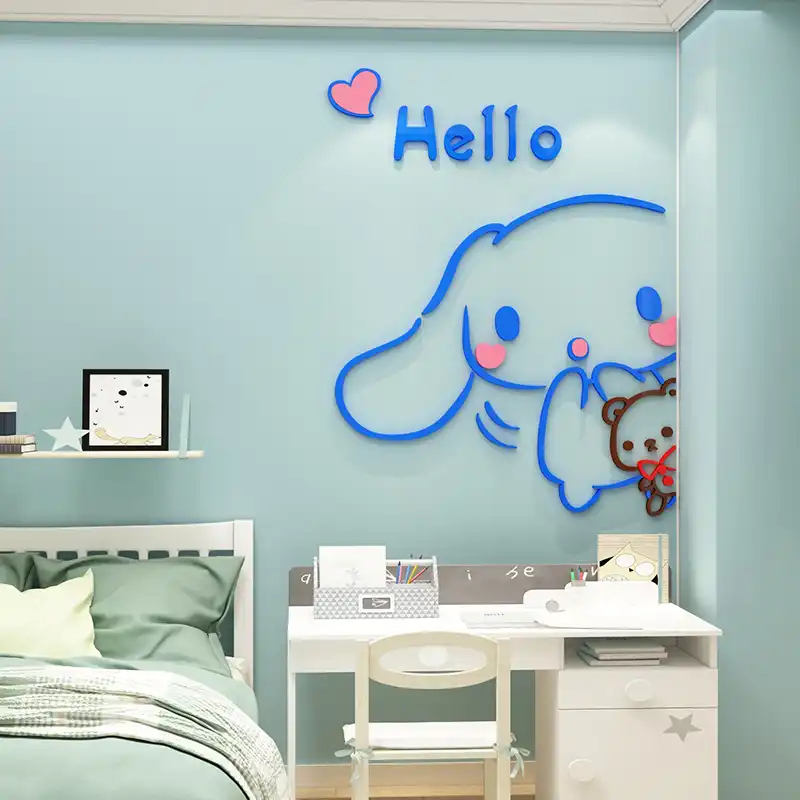
- Soft blues and greens: Promote calm and creativity
- Pale yellows and peaches: Boost happiness and optimism
- Avoid too much red or black: These colors can overstimulate or create emotional imbalance
Use soothing artwork such as landscapes, stars, animals, or inspirational quotes. Avoid chaotic patterns, violent imagery, or anything that could introduce “Sha Qi” (disruptive energy).
Furniture and Clutter Management
Keep the room simple and uncluttered. Too much furniture can block energy flow and overwhelm the child’s senses. Aim for:
- Rounded edges on furniture for safety and qi smoothness
- A clean floor, especially under the bed
- Organized storage, preferably with closed bins or drawers
Clutter under the bed can trap stagnant energy. Encourage your child to help tidy regularly, which also helps teach mindfulness.
Learning and Study Area
If your child uses the room for studying, pay special attention to the desk setup. Feng Shui emphasizes focus, stability, and energetic protection. Here are the essential guidelines:
Avoid Facing the Door
The desk should not face the room’s entrance directly. In Feng Shui, this creates a condition known as “door rush,” where qi (energy) flows directly toward the child, potentially disturbing concentration and creating restlessness.
Have a Supportive Back (Ideally a Wall)
Ideally, the chair should have a solid wall behind it, symbolizing “backing” or support in life and learning. This setup fosters a sense of psychological security and grounding.
However, in many modern bedrooms—especially in urban homes—this ideal arrangement isn’t always feasible. If the desk is placed in front of a window or away from a wall, you can:
- Use a high-backed chair to simulate a sense of support.
- Place a low bookshelf or cabinet behind the chair to create a protective barrier.
- Hang a mountain-themed painting or symbolic “backing” object on the rear wall to enhance the feeling of stability.
Good Lighting and Clean Layout
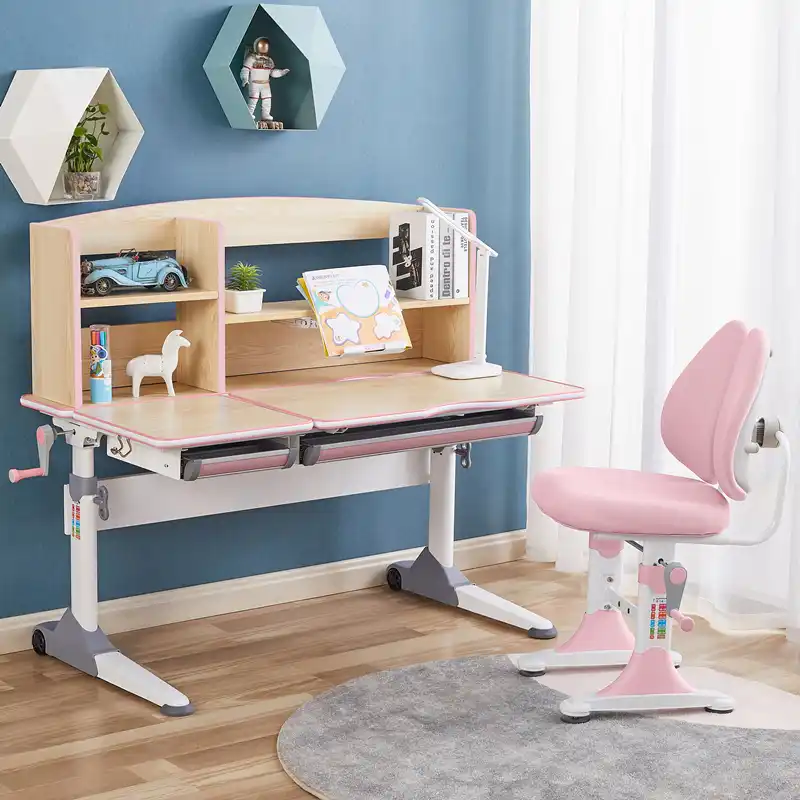
Position the desk where there’s ample natural light, ideally near a window. However, avoid placing the child directly in line with harsh sunlight, which may cause glare and agitation. A clutter-free desk also helps energy circulate smoothly and supports mental clarity.
Place a small plant like lucky bamboo nearby to bring in positive Wood energy and stimulate growth.
Lighting and Air Flow
Good air circulation is essential in Feng Shui. Open the windows daily when possible, or use an air purifier. Lighting should be gentle and layered:
- Soft ceiling lights for overall brightness
- A warm-toned bedside lamp for comfort
- Natural daylight whenever possible
Avoid harsh fluorescent lighting, which can agitate young energy.
Crystals and Feng Shui Jewelry for Kids
Gentle stones like rose quartz, amethyst, or aventurine can help children stay calm and balanced. These can be kept on a bedside table or worn as age-appropriate jewelry. For children with high sensitivity or sleep troubles, a black obsidian pendant near the bed may help absorb negative qi.
Common Mistakes to Avoid
- Avoid mirrors facing the bed—they reflect energy and may cause restlessness
- Don’t hang shelves above the bed
- Refrain from placing electronics too close to the sleeping area
- Don’t over-theme the room with too many cartoon or action figures—they can become too stimulating
Conclusion: A Joyful Space, A Balanced Life
Creating an environment based on Children’s room Feng Shui is one of the kindest gifts you can offer your child. It supports emotional resilience, intellectual growth, and peaceful sleep—all through mindful placement and intention.
If you’re unsure how to apply Feng Shui to your child’s unique personality and room setup, our certified Feng Shui consultants can help. Contact us for a personalized consultation and create the ideal energy blueprint for your child’s future.
