
What are the main principles of Feng Shui?
Jun
Feng Shui, an ancient Chinese practice, is based on several core principles that aim to harmonize individuals with their environment. These principles are designed to enhance the flow of positive energy, known as “Qi,” and create a balanced and prosperous living or working space. Here are the main principles of Feng Shui:
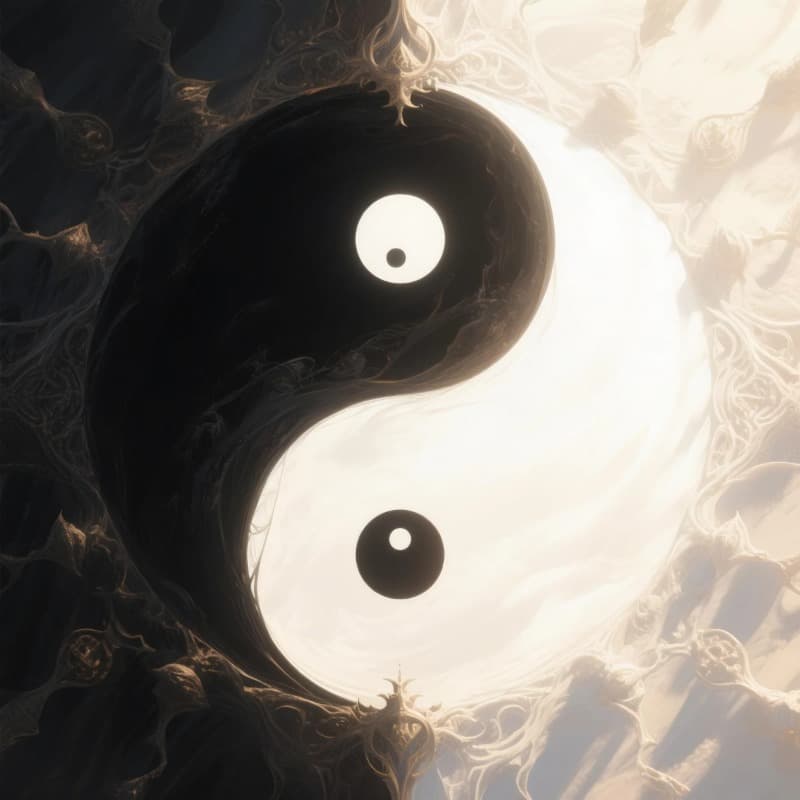
Yin – Yang Balance: A Fundamental Feng Shui Principle
At the heart of Feng Shui lies the concept of Yin – Yang balance. Yin and Yang represent the dual nature of the universe, with Yin symbolizing femininity, passivity, darkness, and coolness, while Yang represents masculinity, activity, brightness, and warmth. In a Feng Shui – compliant environment, achieving harmony between these two opposing forces is crucial.
For instance, in the layout of a home, a balance can be achieved through the strategic placement of elements. A room with large windows that allow ample sunlight (Yang) can be balanced with soft, diffused lighting fixtures and darker – colored furnishings (Yin). Similarly, the use of both rounded (Yin) and angular (Yang) shapes in furniture and decor contributes to this equilibrium. Without a proper Yin – Yang balance, a space may feel either too chaotic or too stagnant, potentially affecting the well – being of the occupants.
Five Elements Theory: An Integral Feng Shui Principle
The theory of the Five Elements – metal, wood, water, fire, and earth – is another key principle in Feng Shui. Each element has distinct characteristics, colors, and associations, and they interact with one another through a system of generation and restriction.
- Metal: Associated with the color white, the west direction, and qualities like strength and clarity. Metal generates water, meaning that incorporating metal elements can enhance the flow of water – related energy, such as career opportunities or wealth.
- Wood: Linked to green, the east, and growth. Wood generates fire, so the presence of wood elements can invigorate fire – related aspects, like passion and creativity.
- Water: Represented by black or blue, the north, and fluidity. Water generates wood, fostering growth and new beginnings.
- Fire: Connected to red, the south, and energy. Fire generates earth, which symbolizes stability and groundedness.
- Earth: Associated with yellow, the center, and nurturing. Earth generates metal, creating a cycle of energy.
In practice, Feng Shui experts use the Five Elements theory to design spaces. For example, in a home office, if someone wants to boost their creativity (a fire – related aspect), they might place a wooden desk (wood element) near a red – colored wall (fire element) to encourage the generation of fire energy from wood.

Qi Flow: A Vital Feng Shui Principle
Qi, often translated as “life force” or “energy,” is central to Feng Shui. The goal is to ensure that Qi flows smoothly and positively throughout a space. Stagnant or negative Qi is believed to bring about misfortune, while a harmonious flow of Qi promotes health, happiness, and prosperity.
To enhance Qi flow, Feng Shui recommends several practices. Keeping spaces clutter – free is essential, as clutter obstructs the movement of Qi. Additionally, the use of mirrors can be strategic, as they reflect light and Qi, opening up a space. Plants are also beneficial, as they are seen as living sources of Qi, purifying the air and adding a dynamic element to the environment. The layout of furniture and the design of pathways within a building should also facilitate the natural flow of Qi, avoiding sharp corners or narrow passages that can disrupt it.
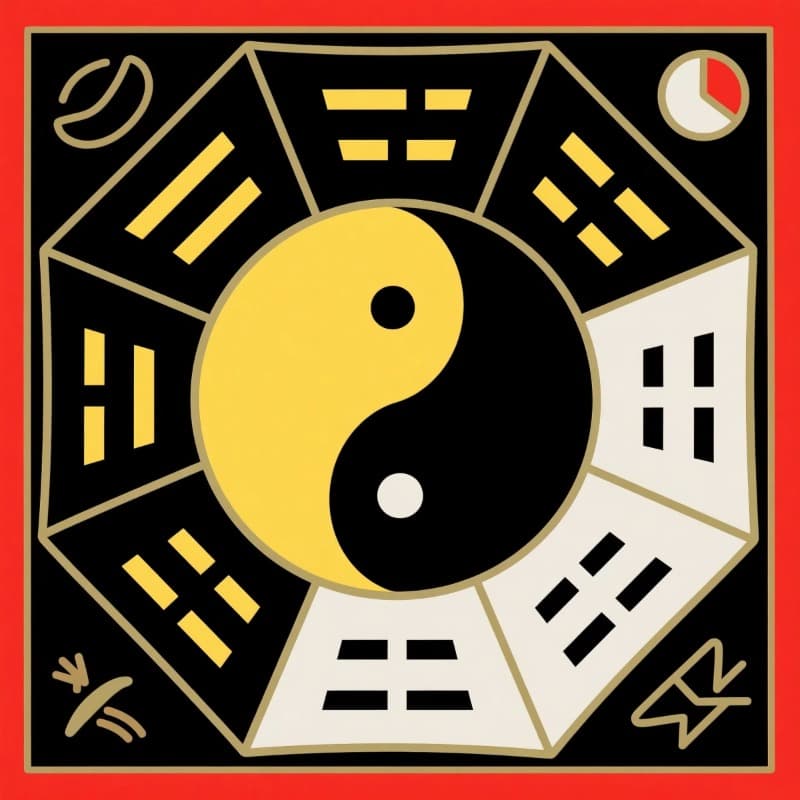
Bagua Map: A Guiding Feng Shui Principle
The Bagua map, or “Eight Trigrams,” is a powerful tool in Feng Shui that divides a space into nine sections, each corresponding to different aspects of life, such as wealth, relationships, career, health, and knowledge. By mapping the Bagua onto a living or working space, usually based on the orientation of the front door, Feng Shui practitioners can analyze and enhance specific areas of life.
For example, the section in the far left corner of a home, when viewed from the front door, corresponds to the “wealth” area. To boost financial luck, one might place items associated with prosperity, like a fountain (representing the flow of wealth) or a money tree plant. Similarly, the center of the Bagua map relates to health and well – being, and this area can be enhanced by creating a peaceful and balanced focal point, such as a beautiful piece of art or a calming water feature.
Commanding Position: An Important Feng Shui Principle
The concept of the “commanding position” emphasizes the strategic placement of key furniture, especially beds, desks, and chairs, to maximize the flow of Qi and enhance the sense of security and control within a room. A commanding position means that when sitting or lying on the furniture, one has a clear view of the entrance without being directly in line with it.
For example, a bed should be placed against a solid wall, with the headboard providing support, and positioned so that the person lying in it can see the door easily. This placement is believed to make the occupant feel more protected and in control of their environment, allowing positive Qi to flow freely around them. Similarly, in an office, a desk should be arranged in a way that the person sitting at it has a good view of the office entrance, which can enhance productivity and a sense of confidence.

Pingback: BaZi Feng Shui: Harmonizing Destiny and Space - Feng Shui Bank
Pingback: The Five Elements in Feng Shui: Which One Are You? - Feng Shui Bank