
Feng Shui and Taoism: What’s the Connection?
Jul
When exploring the principles behind Feng Shui, you’ll quickly encounter references to Taoism—a spiritual philosophy deeply rooted in ancient Chinese thought. This often leads to the question: What’s the connection between Feng Shui and Taoism?
Understanding this relationship not only deepens your appreciation of Feng Shui, but also helps you apply it more intuitively and respectfully. So let’s dive into how these two ancient systems overlap, influence each other, and function in modern practice.
Are Feng Shui and Taoism the Same?
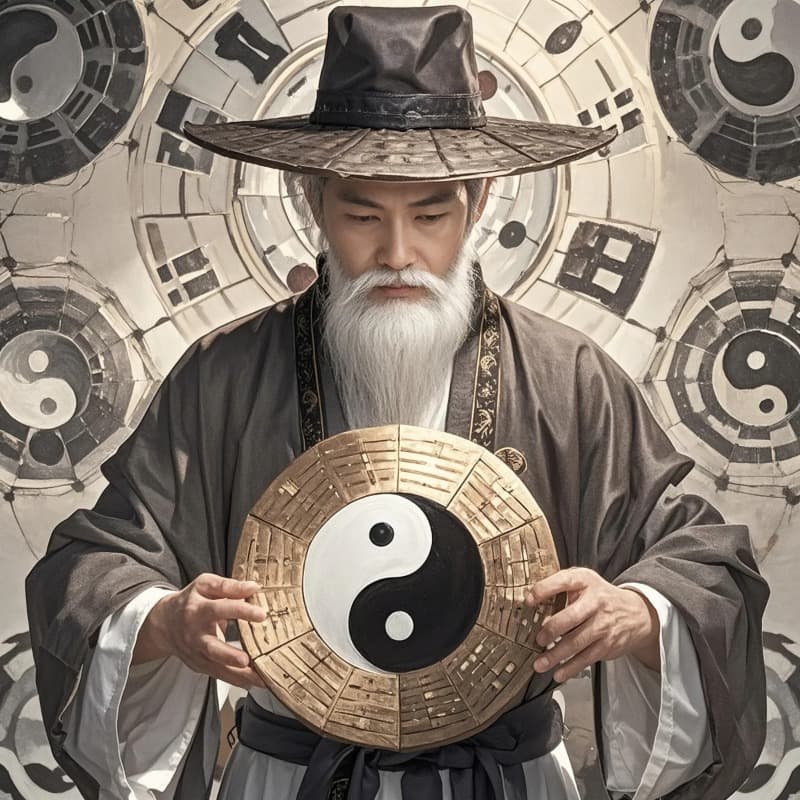
Although closely related, Feng Shui and Taoism are not the same thing. Feng Shui is a practice that focuses on the spatial flow of energy (Qi), while Taoism is a philosophical and spiritual tradition concerned with living in harmony with the Tao—or “the Way.”
That said, the two share common ground. Many core principles in Feng Shui are directly influenced by Taoist cosmology, including:
- The balance of Yin and Yang
- The dynamic interaction of the Five Elements
- The concept of Qi as a vital life force
- The use of Bagua maps to interpret energy patterns
In short, Taoism provides the worldview—Feng Shui applies it to the real world.

The Role of the Tao (道) in Feng Shui
In Taoism, Tao is the ultimate principle that governs the universe. It’s an unseen force, described as the natural flow of life—much like Qi in Feng Shui.
Feng Shui, in essence, is about aligning your environment with the Tao. When your space reflects balance, stillness, and flow, you experience harmony in life. Conversely, when your surroundings are cluttered, poorly arranged, or energetically blocked, it becomes difficult to follow the Way.
This concept is most evident in traditional sayings like:
“人法地,地法天,天法道,道法自然”
“Man follows Earth, Earth follows Heaven, Heaven follows the Tao, and the Tao follows Nature.”
Here, we see a direct philosophical bridge: Feng Shui is a tool to bring the Tao into your daily life.
Yin and Yang: The Taoist Foundation of Feng Shui
Both Taoism and Feng Shui emphasize Yin and Yang, the eternal dance of opposites. Yin represents stillness, coolness, and receptivity. Yang symbolizes activity, warmth, and outward movement.
In your home or office, Feng Shui encourages a balanced presence of both forces:
- Bedrooms should lean toward Yin energy (calm, dark, cool tones)
- Workspaces or kitchens should encourage Yang energy (bright, active, warm tones)
This balancing act—drawn from Taoist teachings—helps regulate Qi flow, supporting mental clarity, emotional stability, and physical well-being.

The Five Elements: Shared Symbolism and Function
Feng Shui and Taoism both use the Five Elements (Wood, Fire, Earth, Metal, and Water) as a model for understanding natural cycles.
These elements don’t just appear in theory—they are practical tools in Feng Shui:
- Use Water to enhance career zones
- Use Wood to promote growth and health
- Use Fire to energize relationships and reputation
Each element is not just symbolic—it represents real forms of Qi that need to be balanced within your space. And just like in Taoist alchemy, harmony among the Five Elements is essential for spiritual and material alignment.
Taoism’s Influence on Feng Shui Remedies
Many traditional Feng Shui cures—such as Bagua mirrors, wind chimes, or Fu talismans—are drawn from Taoist spiritual practices. In fact, many early Feng Shui masters were also Taoist priests or scholars.
But here’s the key point: Using these remedies doesn’t make Feng Shui a religious practice. Instead, it shows how Taoist wisdom shaped the tools we use to direct and harmonize energy.
For example:
- The Bagua mirror reflects harmful Sha Qi, much like a Taoist talisman protects the spirit
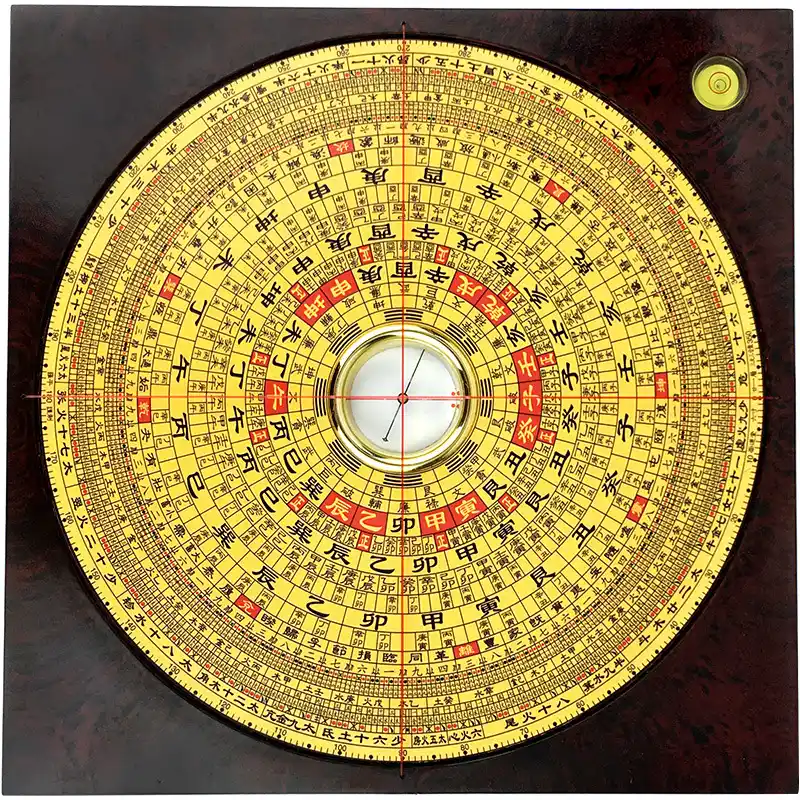
- The Luo Pan compass incorporates Taoist cosmology to map energy fields accurately
- The Eight Trigrams used in Feng Shui also appear in Taoist I Ching divination
Thus, the tools of Feng Shui are practical extensions of Taoist metaphysics—not dogmatic artifacts.
Can You Practice Feng Shui Without Following Taoism?
Yes, you can absolutely practice Feng Shui without identifying as a Taoist. While the two are philosophically linked, Feng Shui remains a secular tool in modern life.
You might choose to:
- Use Feng Shui for interior design optimization
- Wear Feng Shui jewelry for energetic alignment (like jade for health or obsidian for protection)
- Apply the Bagua to map out life areas without involving spiritual ritual
Whether or not you subscribe to Taoist beliefs, you can still benefit from the energy principles that Taoism helped articulate.
Conclusion
So what’s the connection between Feng Shui and Taoism?
In simple terms: Taoism is the philosophical root—Feng Shui is the practical branch. One offers cosmic insight, the other offers spatial solutions. Together, they form a powerful approach to creating harmony between self, space, and the universe.
By understanding this connection, you gain not only a better Feng Shui practice—but also a deeper sense of intentional living.
Want to know how Taoist principles can help you balance energy in your space? Contact our Feng Shui experts for personalized consultation today.
